
In our blog last week we followed the journey of our rubbish how it can easily be captured by the ocean’s waves and weather. How we are responsible and how we throw away our rubbish. We looked at how rubbish can travel from the street or street bin, to the beach and then to the local river or eventually into our Oceans.
What happens when that rubbish meets the animals/mammals who live on our streets, or in our canals, in our rivers and oceans?
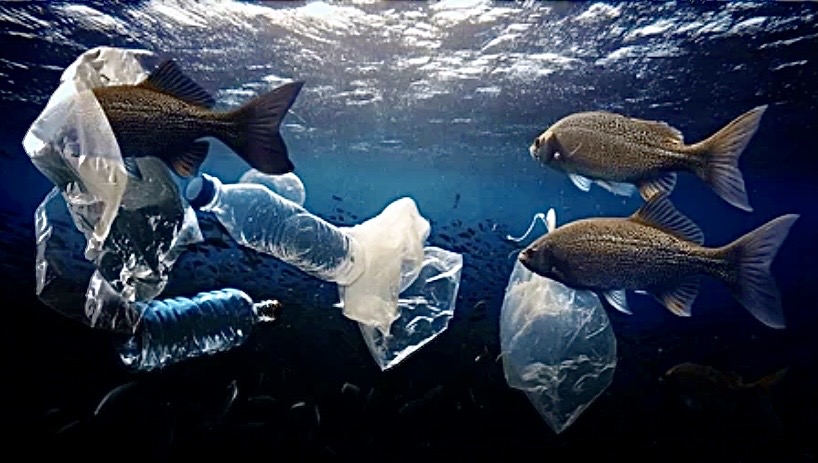
This is where the story of Human waste becomes much harder to ignore.
The ocean consumes more space than any country of land we live on. The ocean is also home to many animals and Mammal’s.
Our Ocean is around 70 percent of the size of Earth!
When we’re swimming, snorkelling or sitting on a beach, it’s easy to think of the ocean as somewhere we visit.
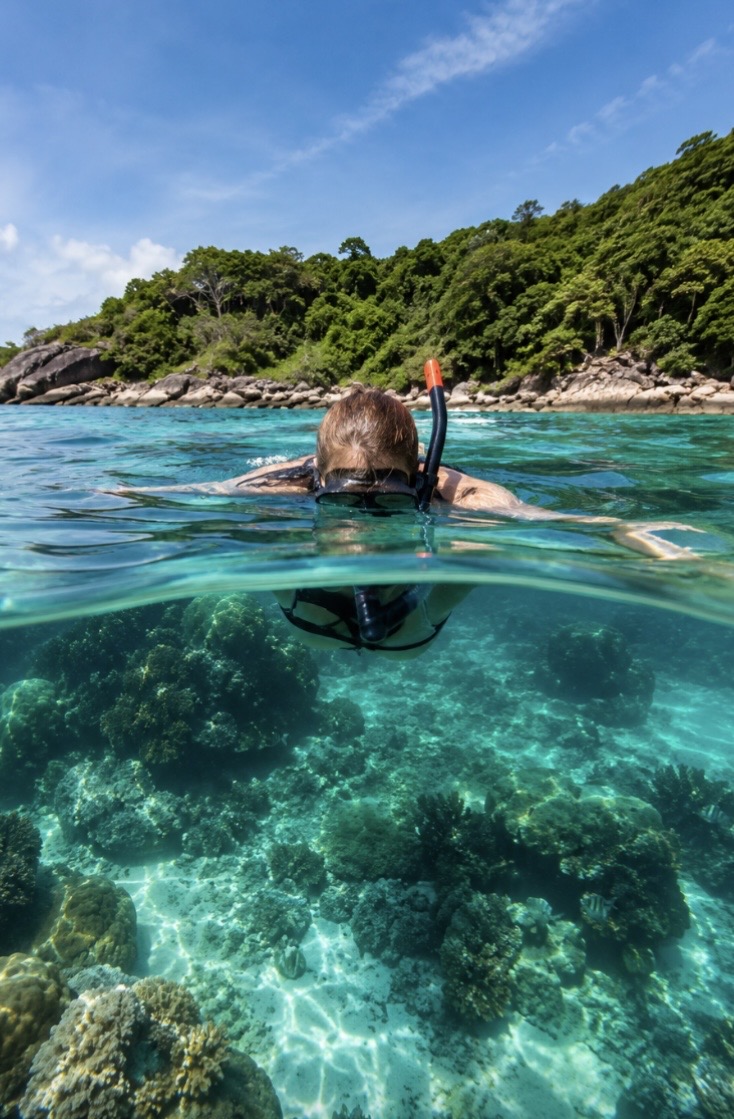
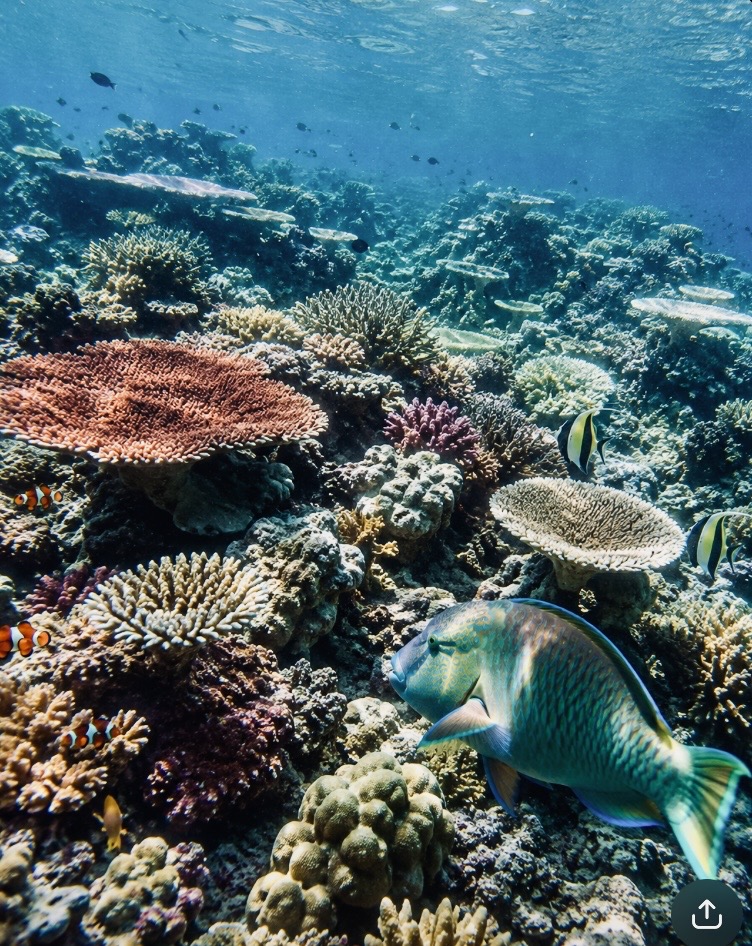
For marine life, it’s home. Fish live there. Turtles live there. Dolphins, whales, seals, seabirds and countless other creatures depend on the ocean.
They don’t have the option of simply leaving when rubbish arrives.
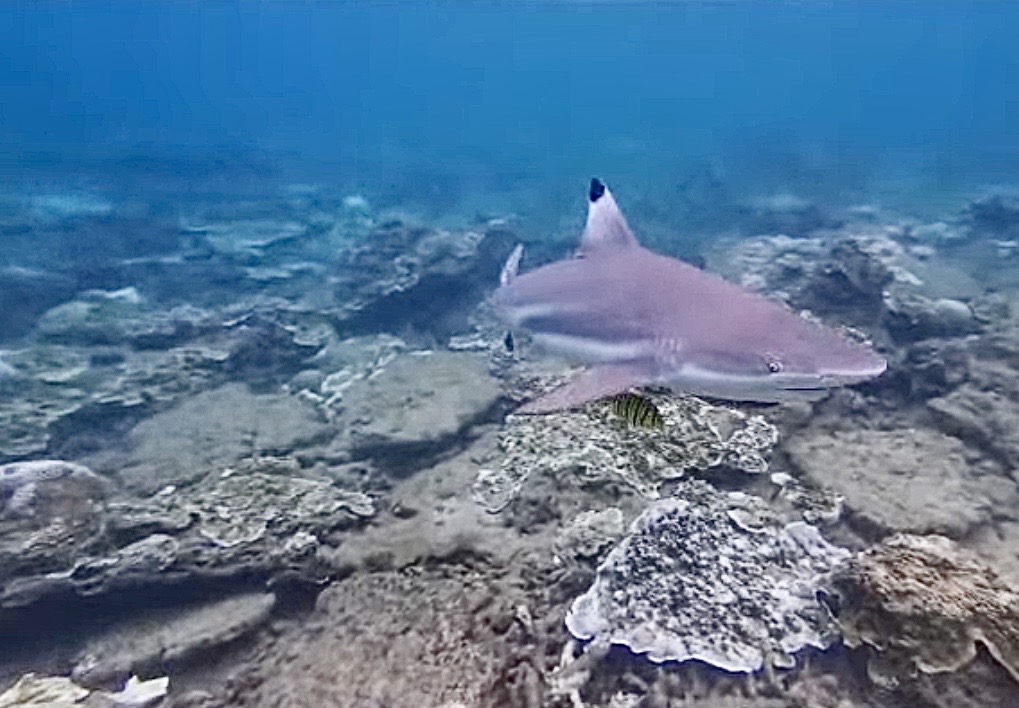
When rubbish becomes a trap
One of the most serious problems with marine debris is entanglement.
Plastic bags, food wrappers, plastic bottles, metal tin cans, fishing nets, rope, fishing line, plastic bands and other debris can become wrapped around animals.
Turtles, whales, dolphins, seals, fish and many other marine animals have been found entangled in such waste, some will even dye as a result of entanglement.
Something as ordinary-looking as a piece of fishing line, rope, or a plastic bag can become extremely dangerous once it is floating freely in the Ocean.
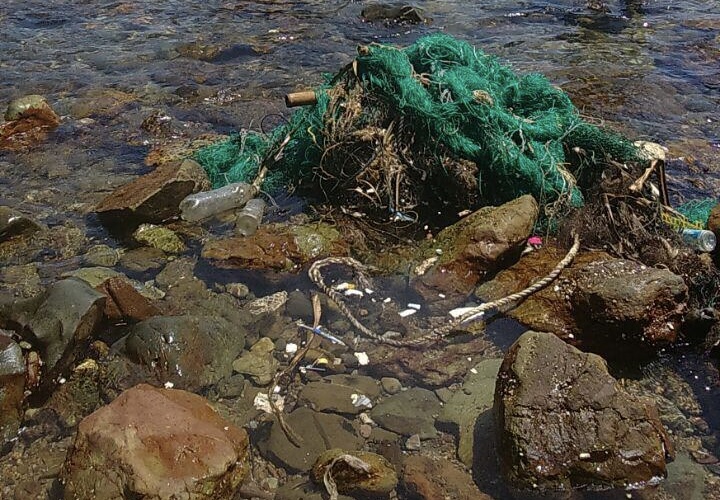
Animals and mammals can swim into the debris under the ocean, sometimes mistaken these things for food or other marine life. Fishing line becomes very difficult to see under the ocean as the sunlight reflects in the water, making it hard for the marine life to even see the lines.
Lost fishing gear doesn’t simply disappear under the ocean and plastic rubbish wrappers or bags can last up to 20 year under the ocean before it will decompose.
Abandon fishing gear is sometimes referred to as ghost gear.
Imagine being caught in something you can’t see clearly, while you’re simply trying to swim, feed or move through your own home.
Plastic can look like and become food for marine life.
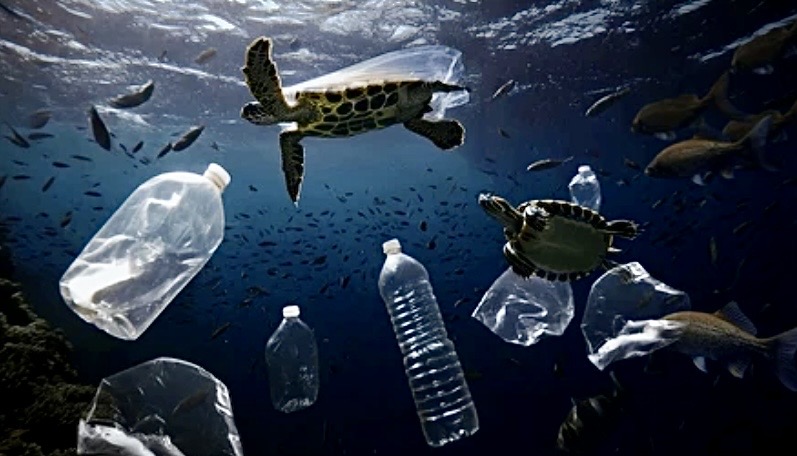
A turtle, for example, can mistake a floating plastic bag for something it would normally eat. Other marine animals can swallow smaller pieces of plastic too. The problem is that plastic isn’t food. It can take up space in an animal’s digestive system and, depending on the object and species, cause serious harm. From big pieces to tiny micro plastic pieces.
Plastic doesn’t always remain in the form we recognise. Sunlight, waves and weathering can break larger pieces into smaller fragments. Eventually some become microplastics — tiny pieces less than 5mm across. And because they are so small, they can be much harder to see. That doesn’t mean they’re harmless. Scientists continue to study the effects of microplastics on marine ecosystems and wildlife and Humans. Yes Humans.
Remember what our animals in the ocean or land eat is what we as humans, are in effect eating further down the food chain line.
What about coral reefs?
We’ve already talked about how incredible coral reefs are.
They’re also another reason marine debris matters. Large debris can physically damage or smother sensitive habitats, including coral reefs and seagrass beds.
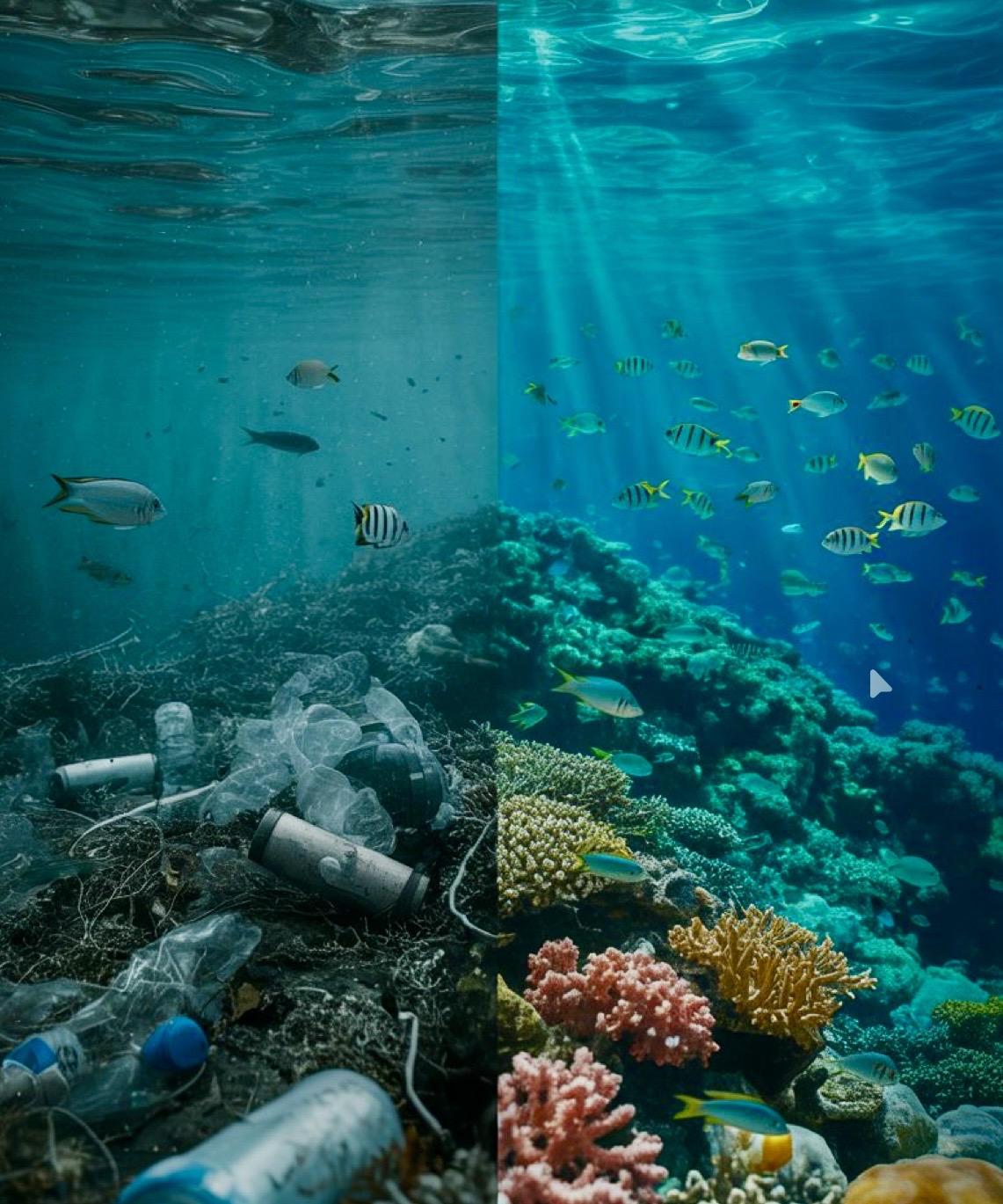
Think about this for a moment. We go snorkelling because we want to see a beautiful reef full of life.
But rubbish can become part of the same environment. That is one reason protecting the ocean isn’t just about protecting individual animals. It’s about protecting the places they depend on too.
It’s easy to think one person can’t make a difference
And honestly, sometimes the size of the problem can feel overwhelming.
What difference can one bottle make?
One piece of packaging?
One reusable item?
One person?
But perhaps that’s the wrong question. Maybe the question is:
What happens when millions of people decide that their small choices don’t matter?
And then turn that around.
What happens when millions of people decide that they do?
We don’t have to be perfect This isn’t about making you feel guilty every time you use plastic. Plastic is part of everyday life, and sometimes it is difficult to avoid.
It’s about awareness. It’s about noticing and perhaps thinking twice when there is an easy alternative.
Because once you know what can happen to waste in the ocean, it’s difficult not to look at that empty bottle or piece of packaging slightly differently.
Look, don’t touch — and leave less behind
Enjoy the ocean without leaving something harmful behind.
Explore it.
Reduce, reuse and Recycle….more
And most importantly, remember that you’re visiting someone else’s home.


You must be logged in to post a comment.