
When you throw something away do you ever think of “the how” OR “where does my rubbish go after the bin”. We throw something away and, quite often, that’s the end of the story for us without a secound thought. Without even thinking if the item could it be resused, or recycled in anyway further…or how can it be.
For example: Bottle’s go into the bin, food wrapper’s disappear into the bin, more often than not the plastic covering or bag also goes into the bin. But have you ever stopped to wonder where “in the bin” actually is?
When it comes to plastic ,Plastic bags and other waste, there isn’t really “a bin or throw away solution”.
One plastic bottle doesn’t feel like much….
But now count to 1000……
Then to one million people.…..
Then imagine 1 million people with a plastic bottle each. It’s more than drinking just one bottle of water and throwing it away in the bin. Not only do you have a lot of plastic waste, but you also have a lot of work recycling it or separating the plastic for recycling. Now imagine if the bottle blows out fo the bin onto the street, ends in the gutter or in a river and then to the sea?
For each bottle you drink out of there are thousands more being drunk and ready to be wasted or thrown away (hopefully in a recycling bin).
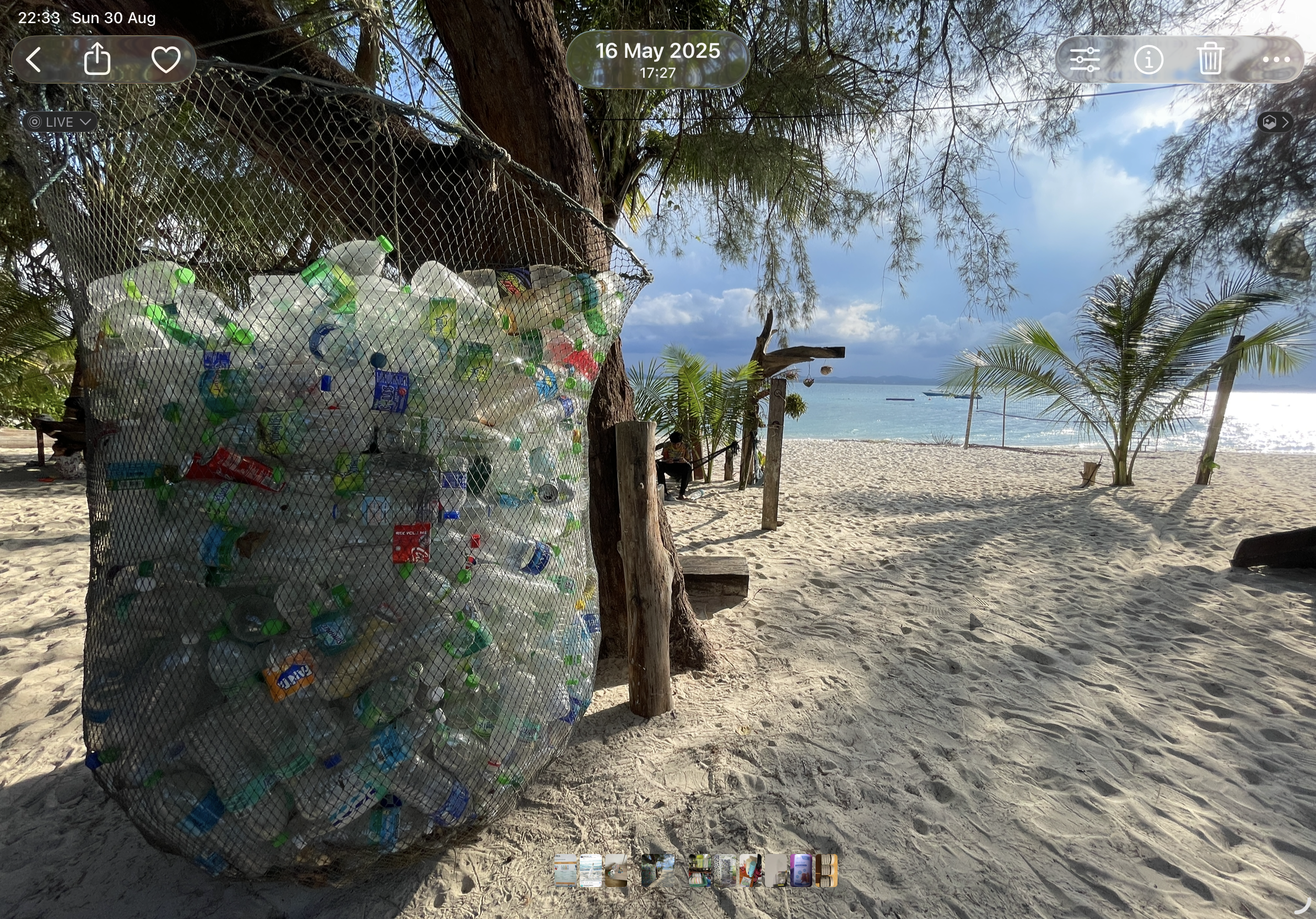
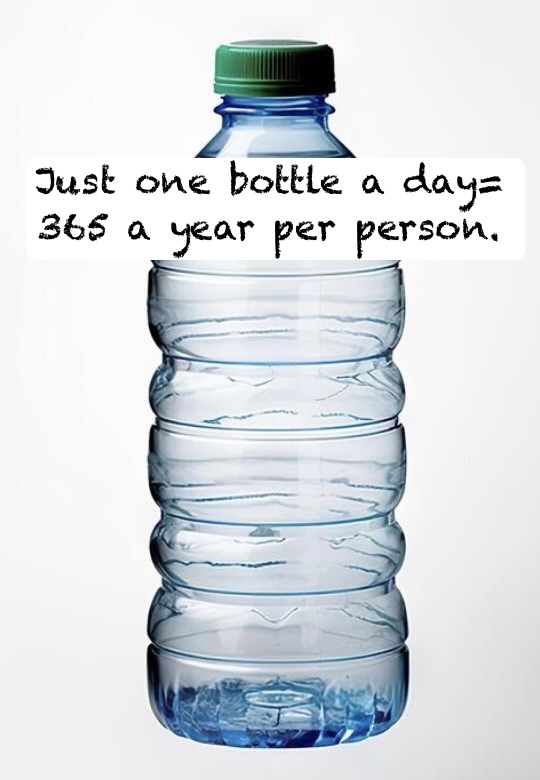
When you allow yourself to stop and think and imagine it happening every day, all around the world suddenly those little things don’t seem quite so little.
Plastic is now one of the largest and most persistent parts of marine litter. UNEP estimates that millions of tonnes of plastic waste enter aquatic ecosystems every year.
From land to the sea. Here’s also something that is easy to forget:
You don’t have to drop rubbish directly into the ocean for it to end up there.
Rain and wind can move litter.
Rubbish can enter streams and rivers.
Storm drains can carry debris into waterways.
Once waste enters those systems, it can eventually make its way towards the sea.
So that piece of plastic left on a street Or even in the bin, dropped beside a bin or blown across a beach doesn’t necessarily stay where it was left.
Rubbish CAN TRAVEL!
From beach to ocean
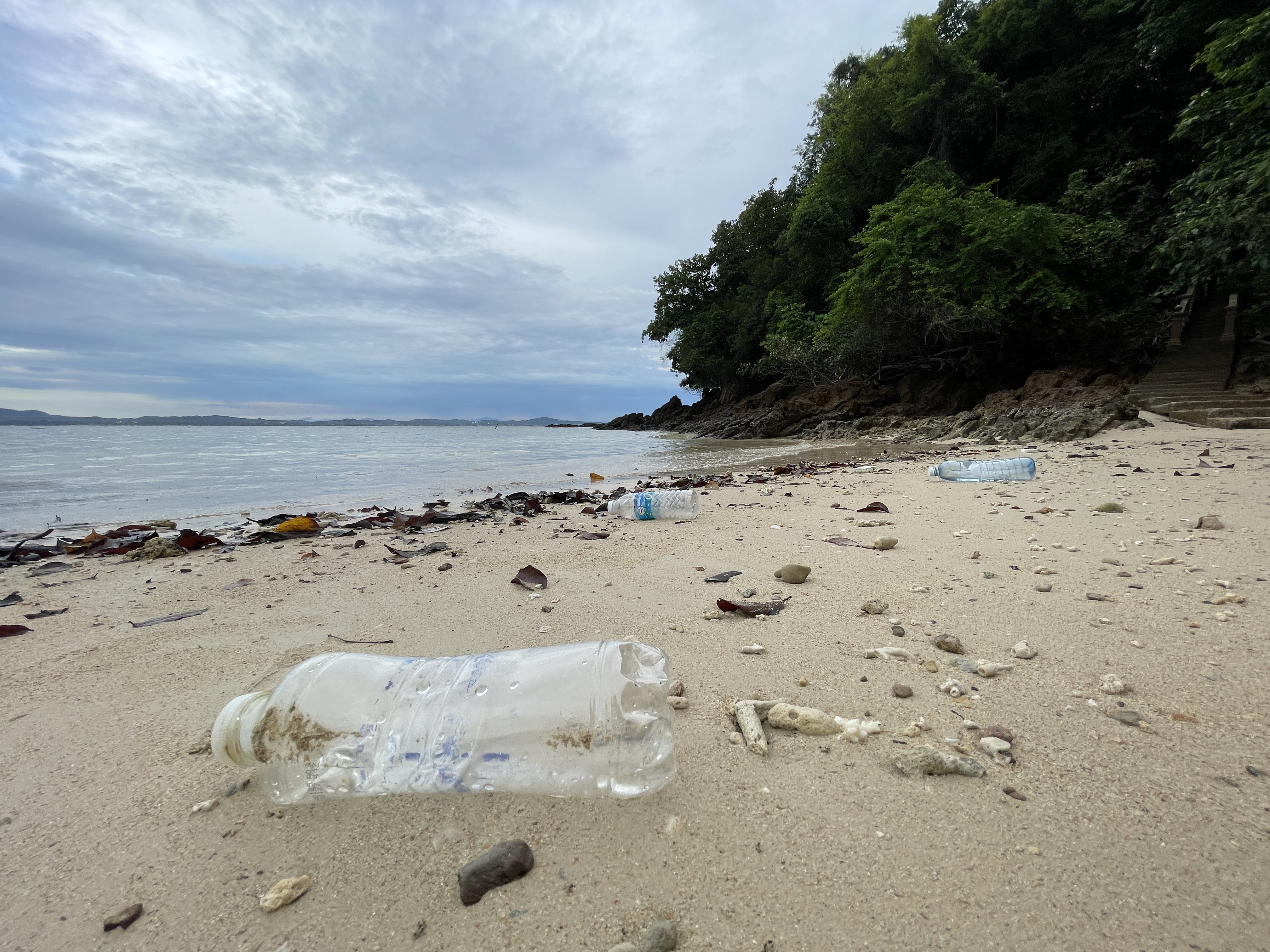
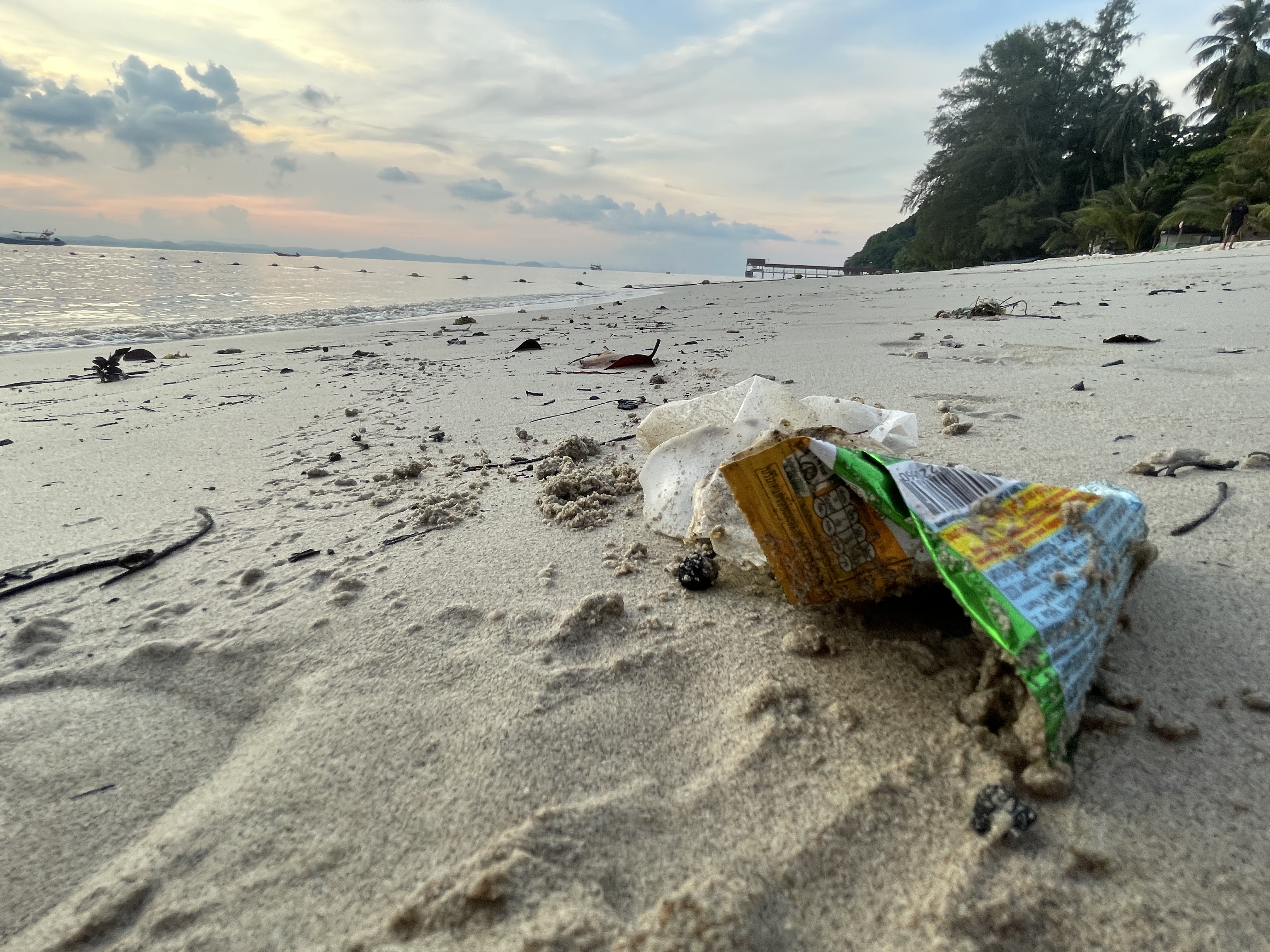
Think about a beach on a windy day.
A lightweight wrapper, a plastic bag, a drinks bottle, a piece of packaging. Something that was left behind might be moved by the wind or washed away by rain or waves. The beach and the ocean aren’t separate worlds. They’re connected.The same can be said that if you split the beach inland you may find the trees and then a jungle, all of these are connected.
And that is why something we leave behind on land can eventually become marine debris.
It’s not just plastic bottles
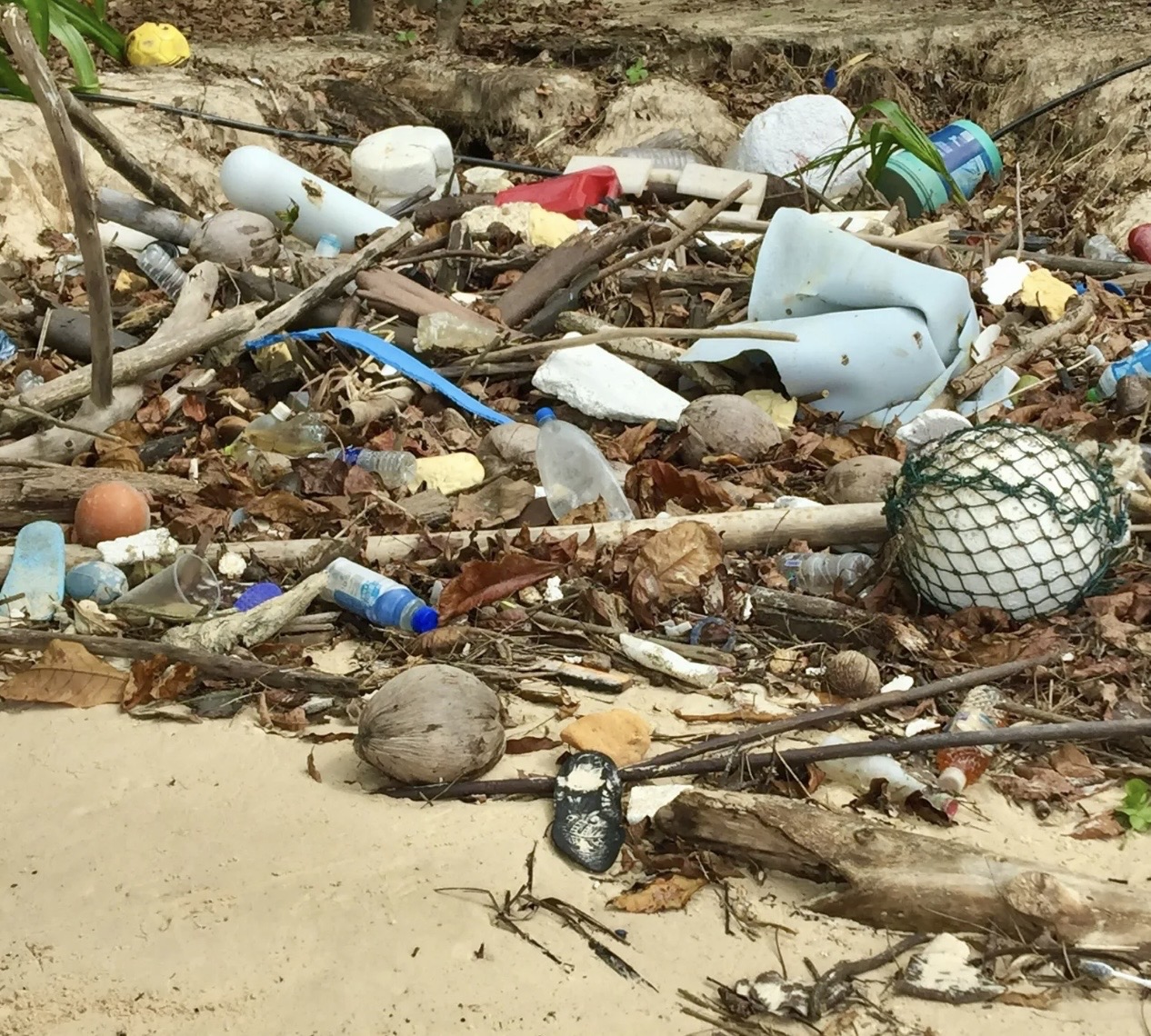
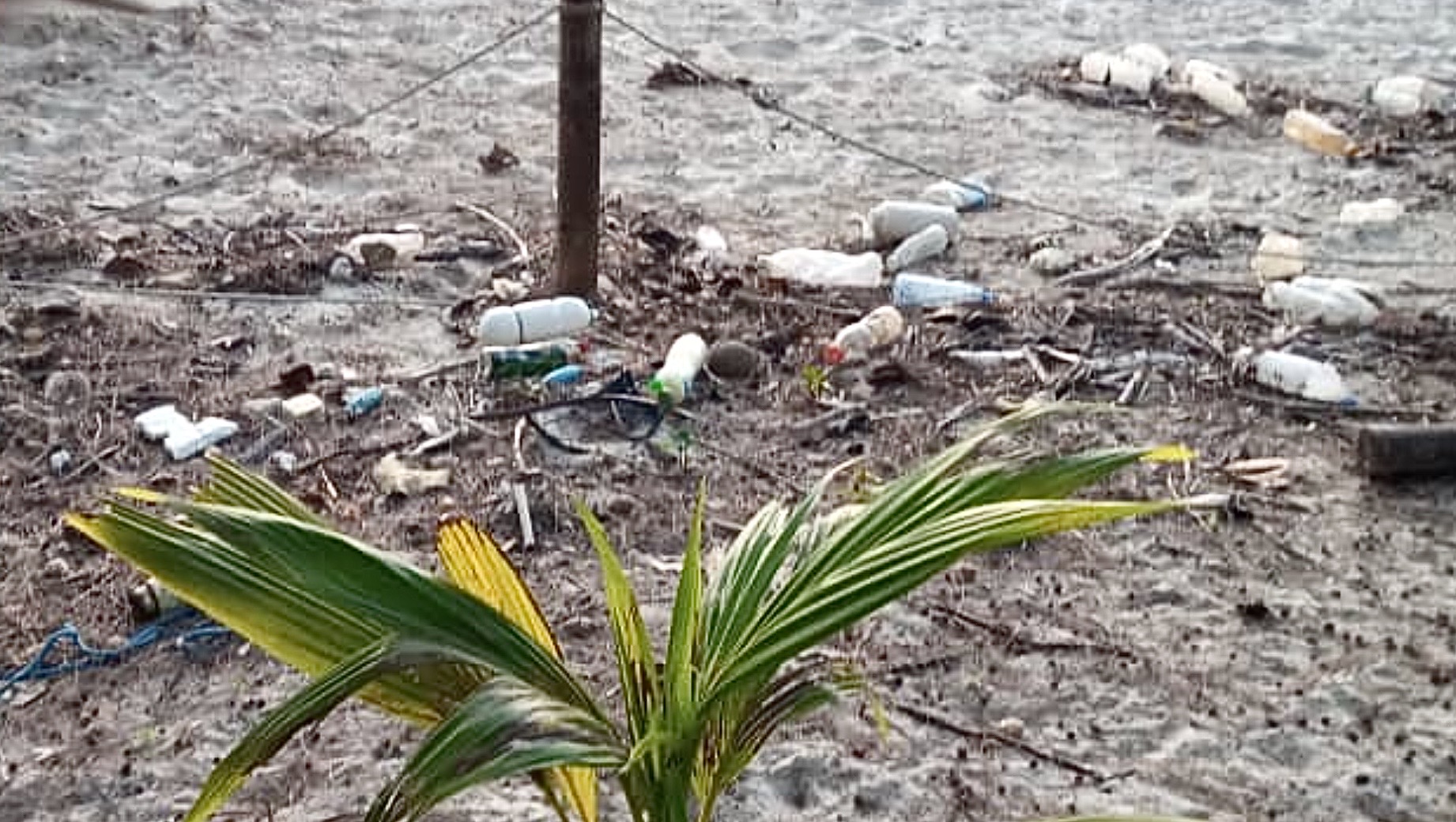
When we think about ocean waste, we often picture plastic bottles and bags. But marine debris can be many different things, Fishing nets, Rope, Fishing line/hooks, Packaging, Plastic bands, Food containers, Cups, Bags and sometimes much larger objects.
Lost or abandoned fishing gear can become marine debris too, and it can continue to affect marine life long after it has been lost.
The ocean doesn’t have a bin
This is the part that really makes you think.
When we put something in a bin, we feel like the problem has gone away. But the important question is whether it has actually been dealt with properly and if rubbish escapes into the environment, there is no convenient ocean-sized bin waiting to collect it.
The sea doesn’t sort our rubbish for us. It doesn’t know which things were accidentally dropped and which things were deliberately thrown away. It simply carries whatever reaches it.
What happens when plastic keeps travelling?
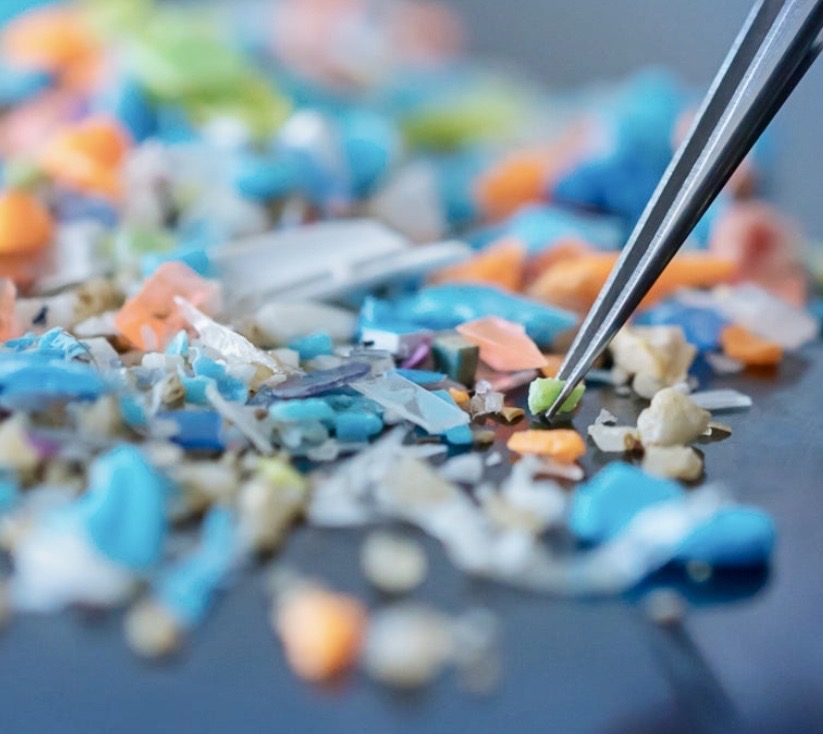
Plastic doesn’t simply disappear when it reaches the ocean. Larger pieces can break down into smaller pieces over time. These tiny pieces are known as microplastics when they are less than 5mm across. This is where the story becomes even more complicated. Something that started as a bottle, bag or piece of packaging can eventually become something much harder to see. It might no longer look like rubbish at all. But it hasn’t simply vanished.
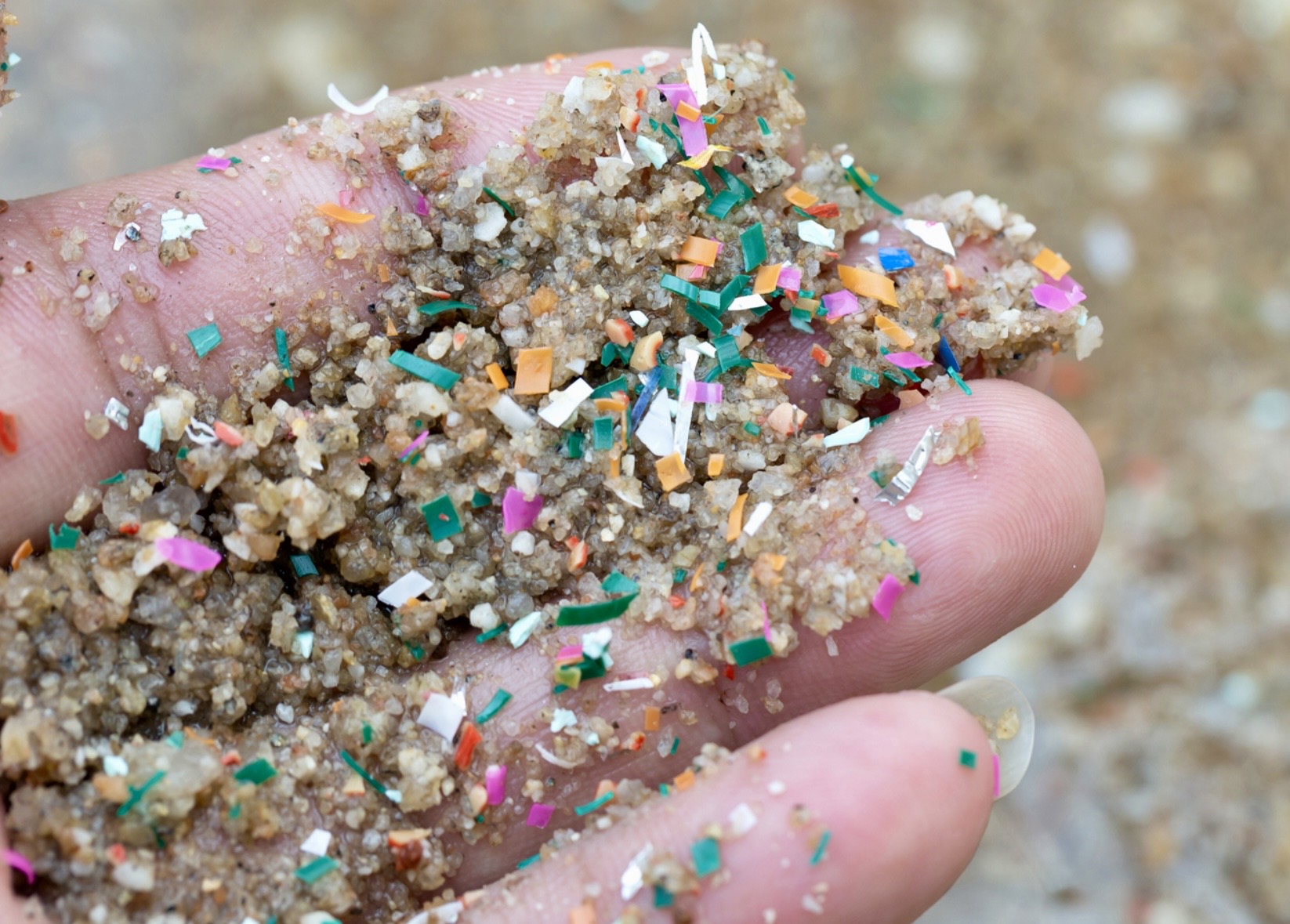
What about the things we can’t see?
That’s one of the things I find most interesting about ocean waste. The rubbish we see on a beach is only the part we can see. There is also debris in the water, on the seabed and in places we may never visit. Marine litter has been found from coastlines and remote islands to the deep ocean. So perhaps the next time you see a piece of plastic on a beach, instead of thinking: “Someone should pick that up.” Maybe think: “Where could that end up if nobody does?”
We are all connected to the ocean
You don’t have to live beside the sea to have an impact on it. What happens on land can eventually affect rivers, coastlines and oceans. And what happens in the ocean doesn’t stay completely separate from us either. The ocean is part of a much bigger system. So perhaps responsible travel starts with something really simple: Notice what you’re using. Notice what you’re throwing away. Notice what you leave behind. We don’t have to be perfect. But it is worth asking the question. Where does your/our waste go?
Perhaps more importantly…Where could your rubbish end up?
Please help to do your best to help keep our oceans and enviroment a clean and safe place to travel for all. We encourage all guests at Longsha Campsite to :
Reduce, Reuse and Recycle.
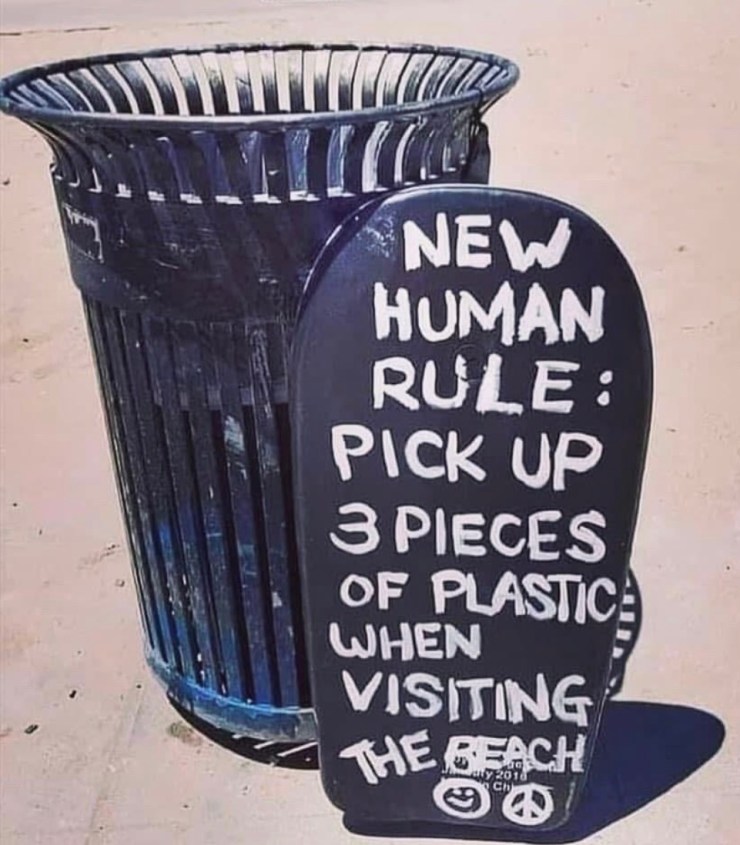
LongSha Campsite Contact numbers.
LongSha camping Tele & WatsApp
Longek +60 0199832968.
Please note from 2025 there is only one telephone number for Calls & WhatsApp at Longsha campsite.
You can also book at Longsha boat service.
Azha +017 9652 968


You must be logged in to post a comment.