
What might look like a collection of rocks, plants and colourful shapes is actually a busy ecosystem filled with thousands of different forms of marine life. Once you start understanding what’s down there, you begin to appreciate it in a completely different way.
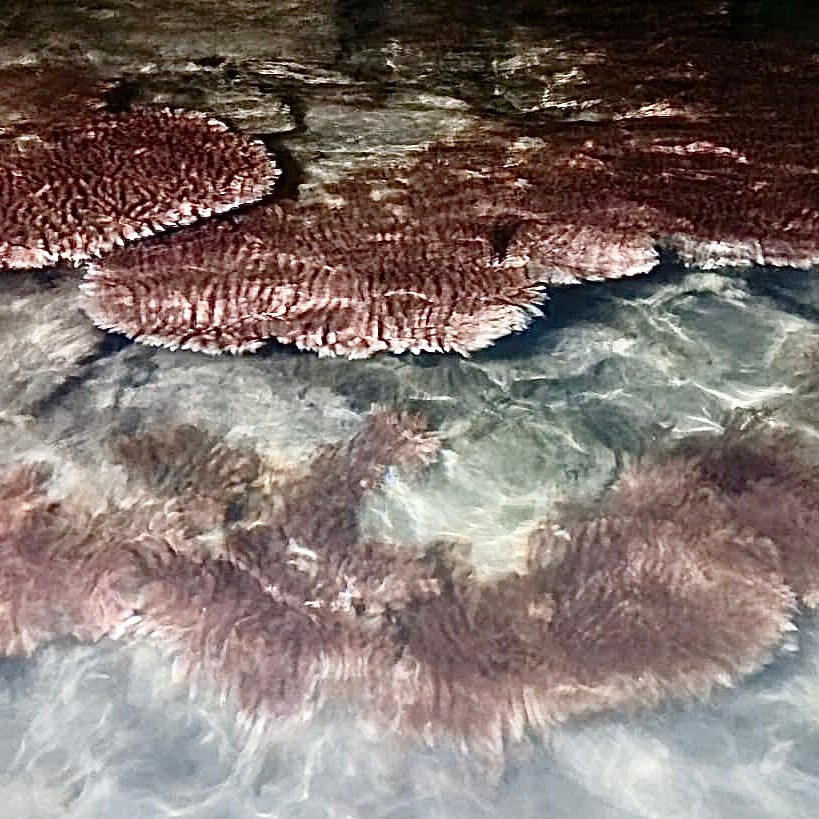
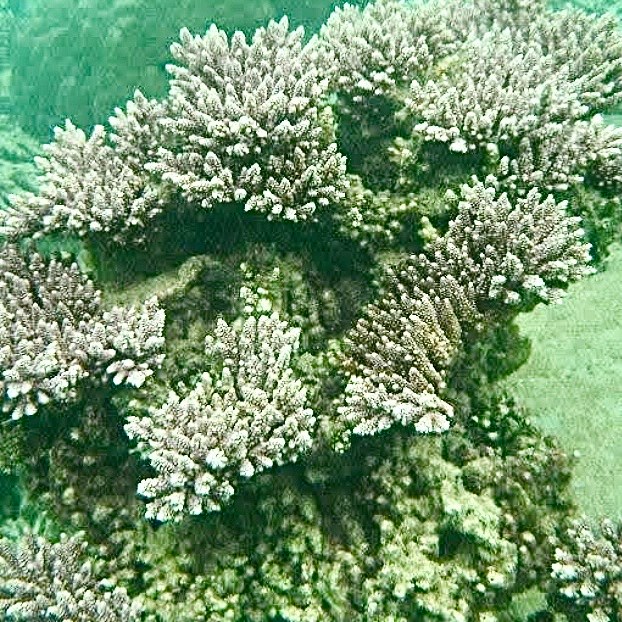
Coral reefs are living cities
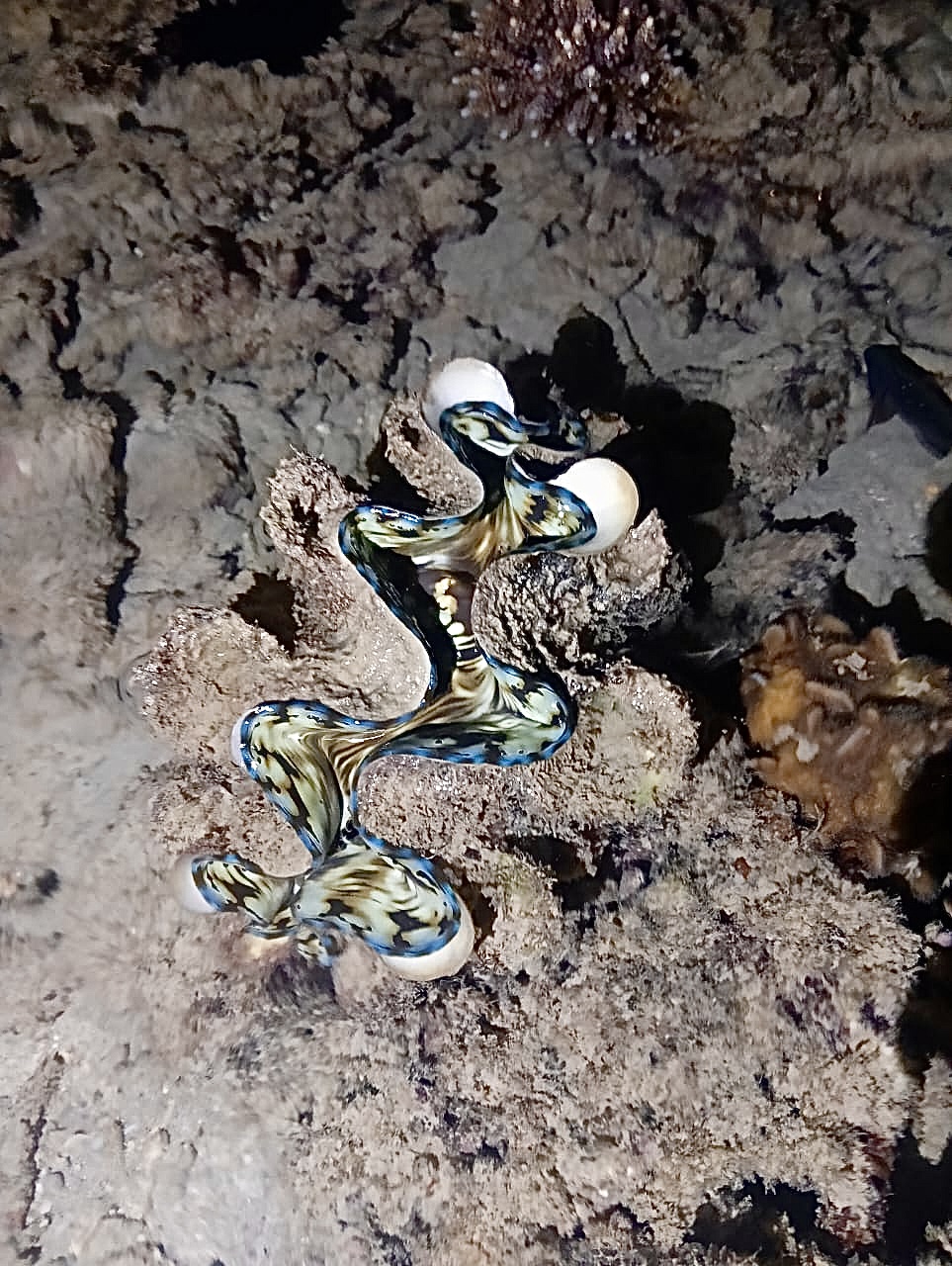
Coral can look like rock. It can be hard, soft, rough and strangely shaped, and from the surface it might not look particularly exciting but coral is alive. It can be colourful like a garden, under the ocean or unfortunately be white and grey , which is where the coral has been bleached from the Sunshine.
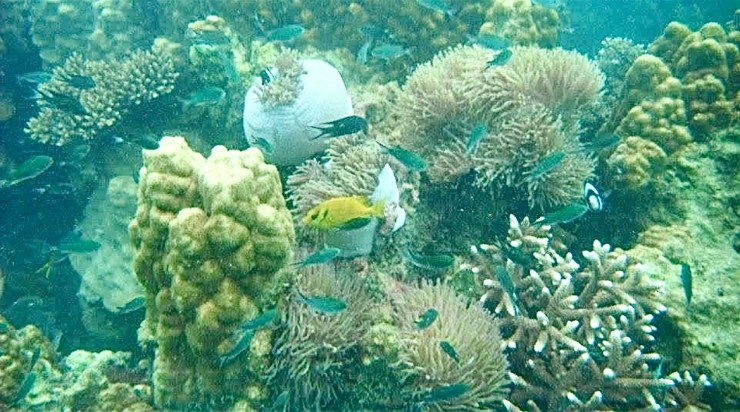
Coral reefs provide homes, shelter and feeding areas for an incredible variety of marine life. Fish move between the coral, smaller creatures hide within it and larger animals can depend on the reef ecosystem too. It’s almost like looking at a city underwater there are different neighbourhoods, different inhabitants and something always seems to be moving through the glistening sun which catches the light on all the angles of coral under the ocean even to the seabed on a good day the sun can shine through the top of the ocean to light up under the water……truly beautiful some days….(my tip is to always go just before the sun starts to come down fur sunrise so it’s lower in the sky and hence closer to the top of the ocean, most amazing and best time for em to snorkel.
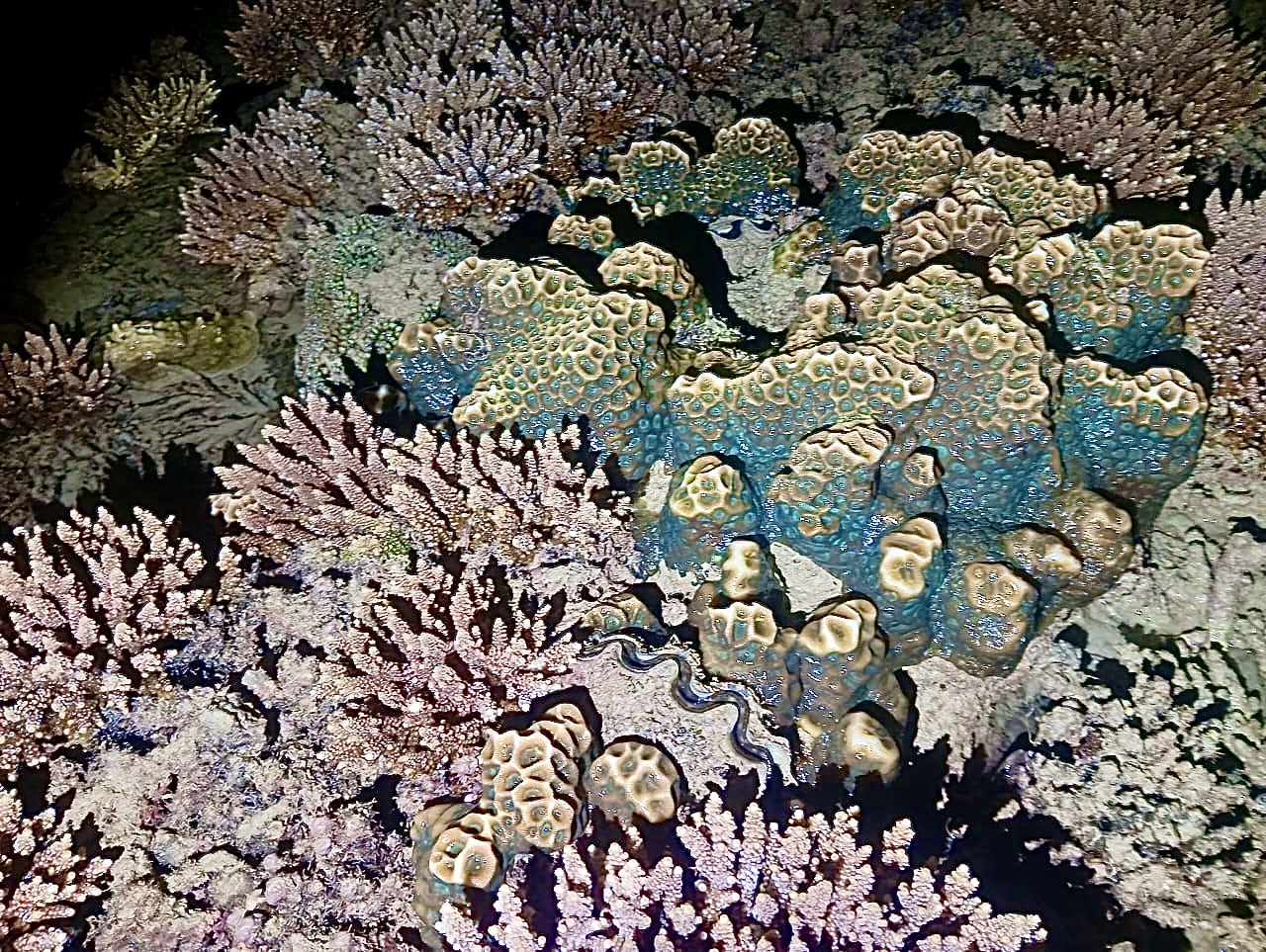
Why coral reefs matter
Coral reefs are incredibly fragile but such an important marine ecosystems. They support marine life, contribute to healthy oceans and are part of the wider coastal environment.
One of the strange things about seeing coral for the first time Is that it can look incredibly solid and strong. (Apart from the soft flowing coral gently swaying in the seas currents). A boat driving too close to the coral bed, a careless foot, a pair of fins dragged across it or someone breaking off a piece can cause damage and what might take a very long time to grow can be damaged in seconds. Also you wouldn’t want to touch coral as a coral cut can take ages to heal and stop you from snorkelling for weeks.
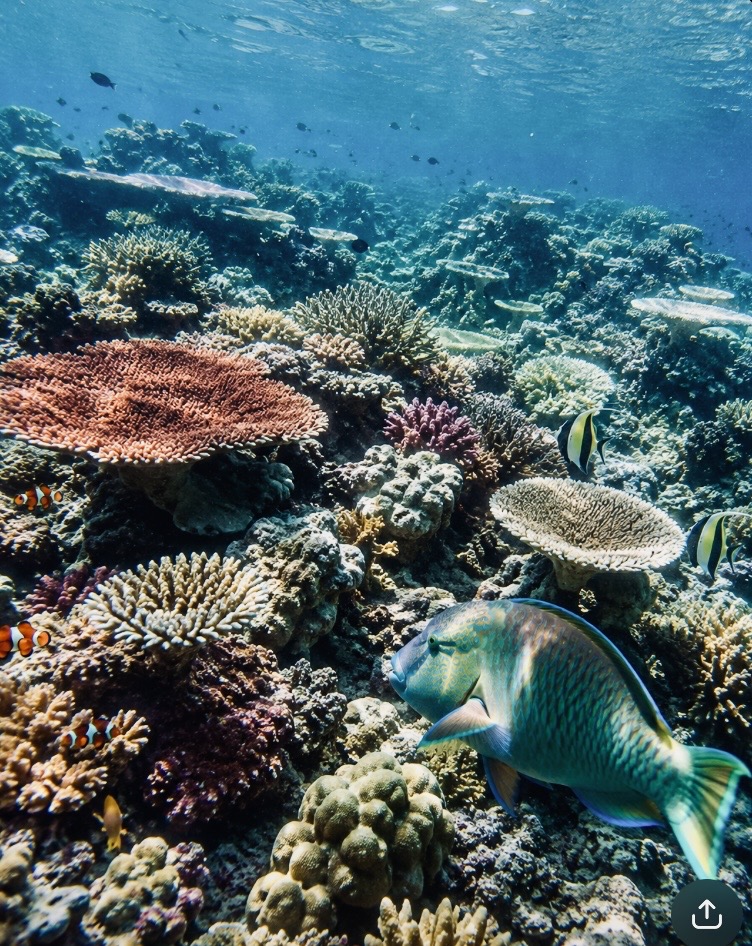
One of the simplest things you can remember when snorkelling is to not touch or stand on the Coral.If you’re tired, move somewhere sandy or somewhere you can safely stand without damaging the reef. Be aware of your fins too. You might not even realise that you’re kicking against coral while trying to position yourself in the water. The easiest approach is to keep your body floating and enjoy the reef from above.
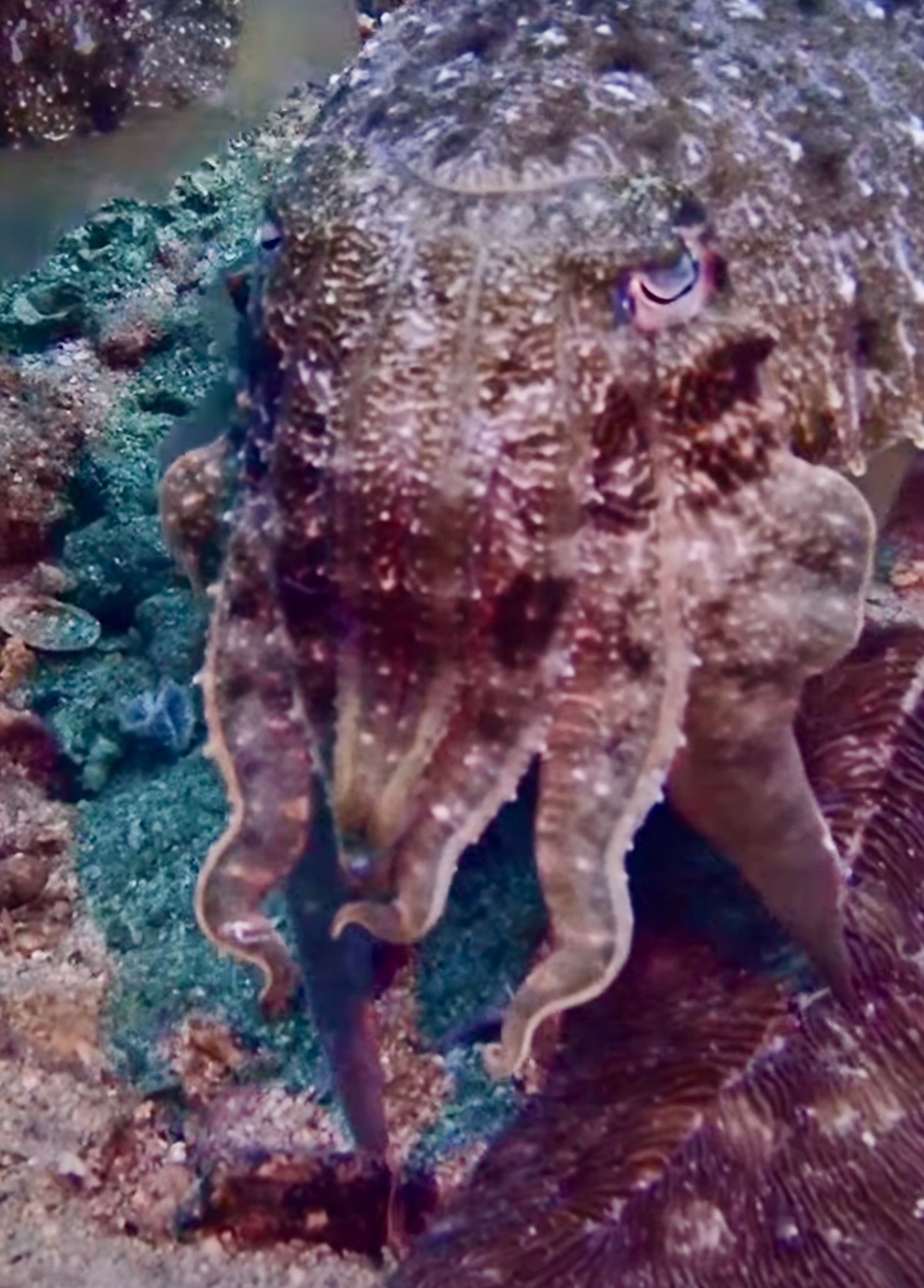
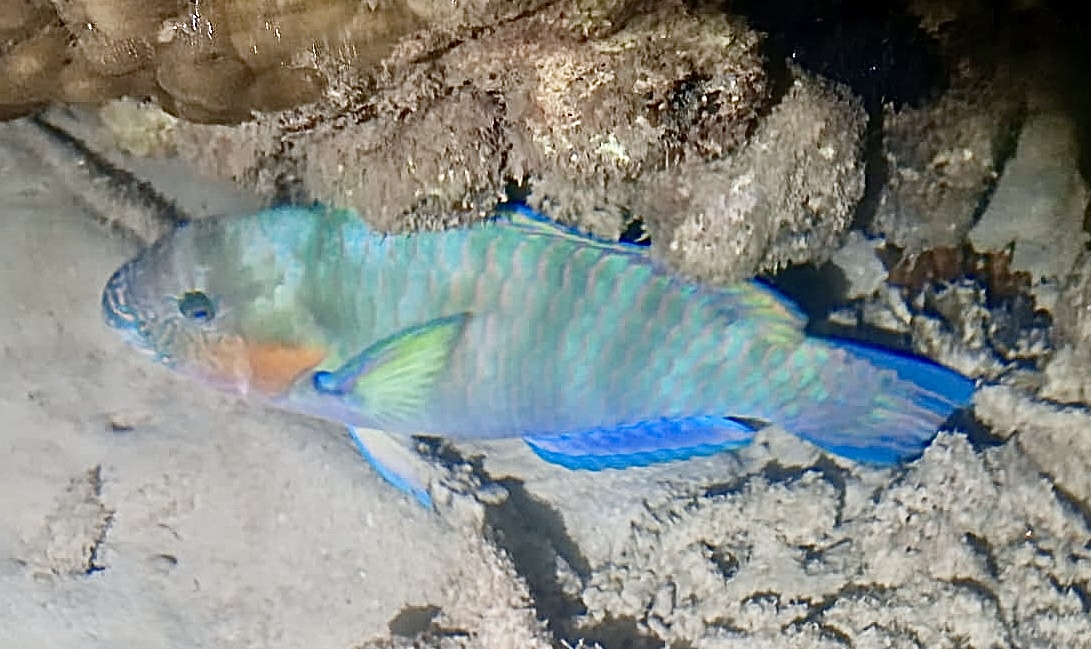
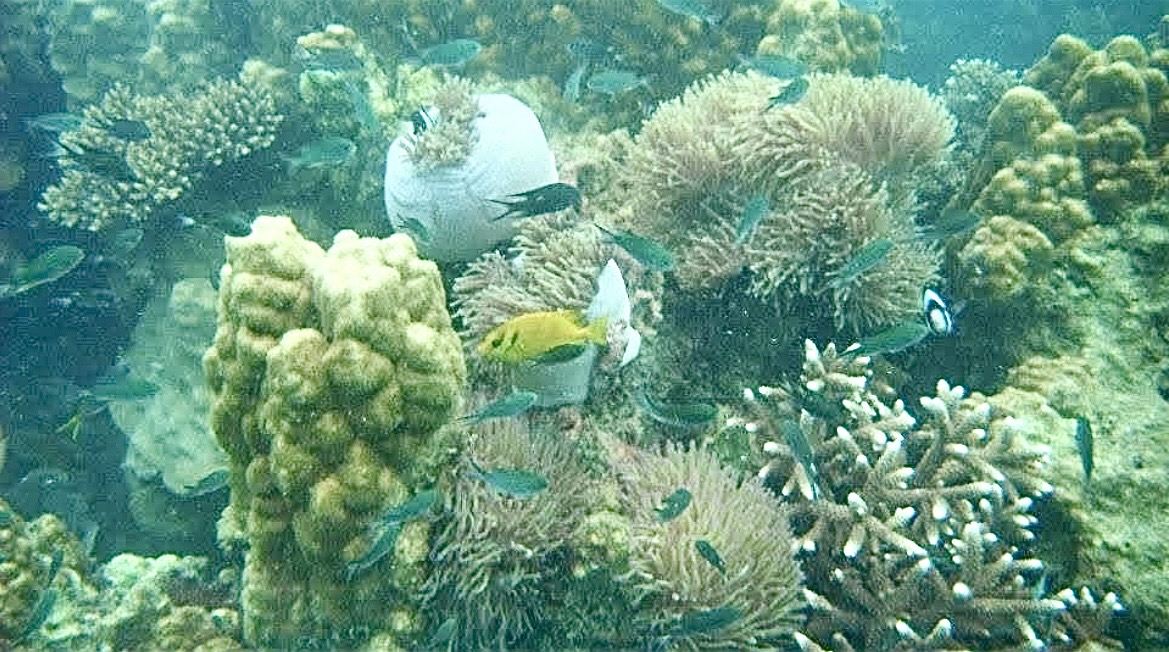
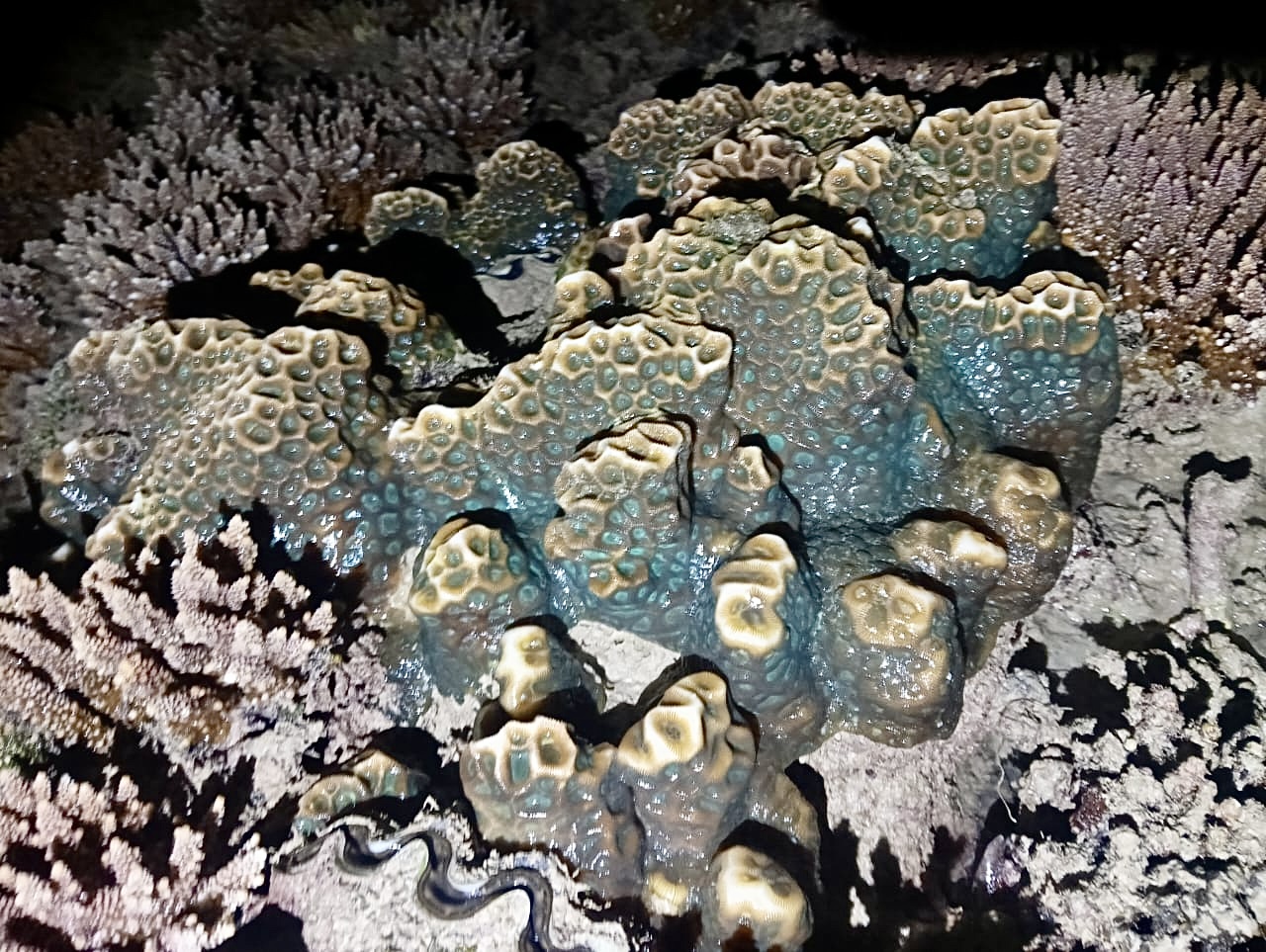
Look closely
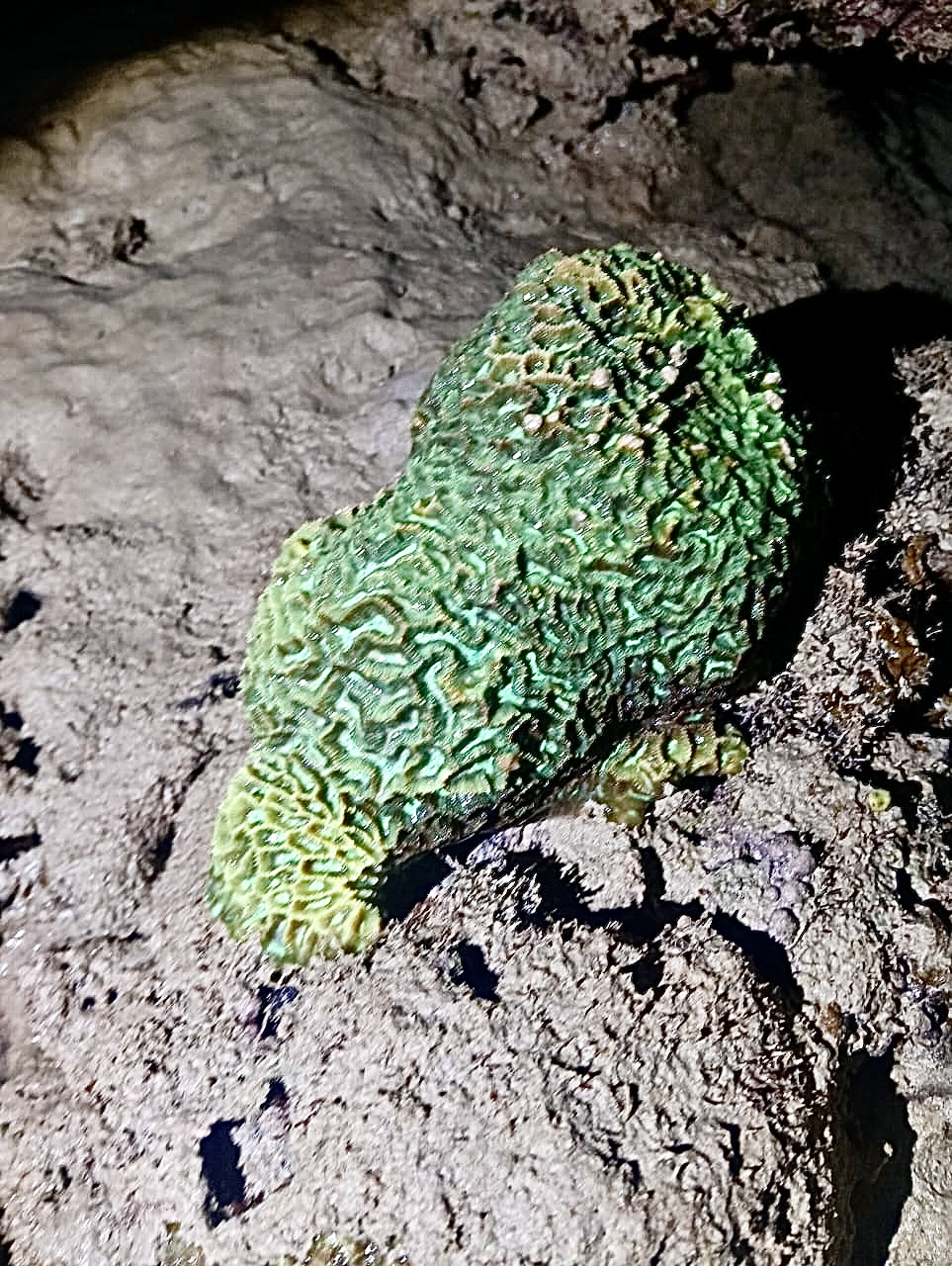
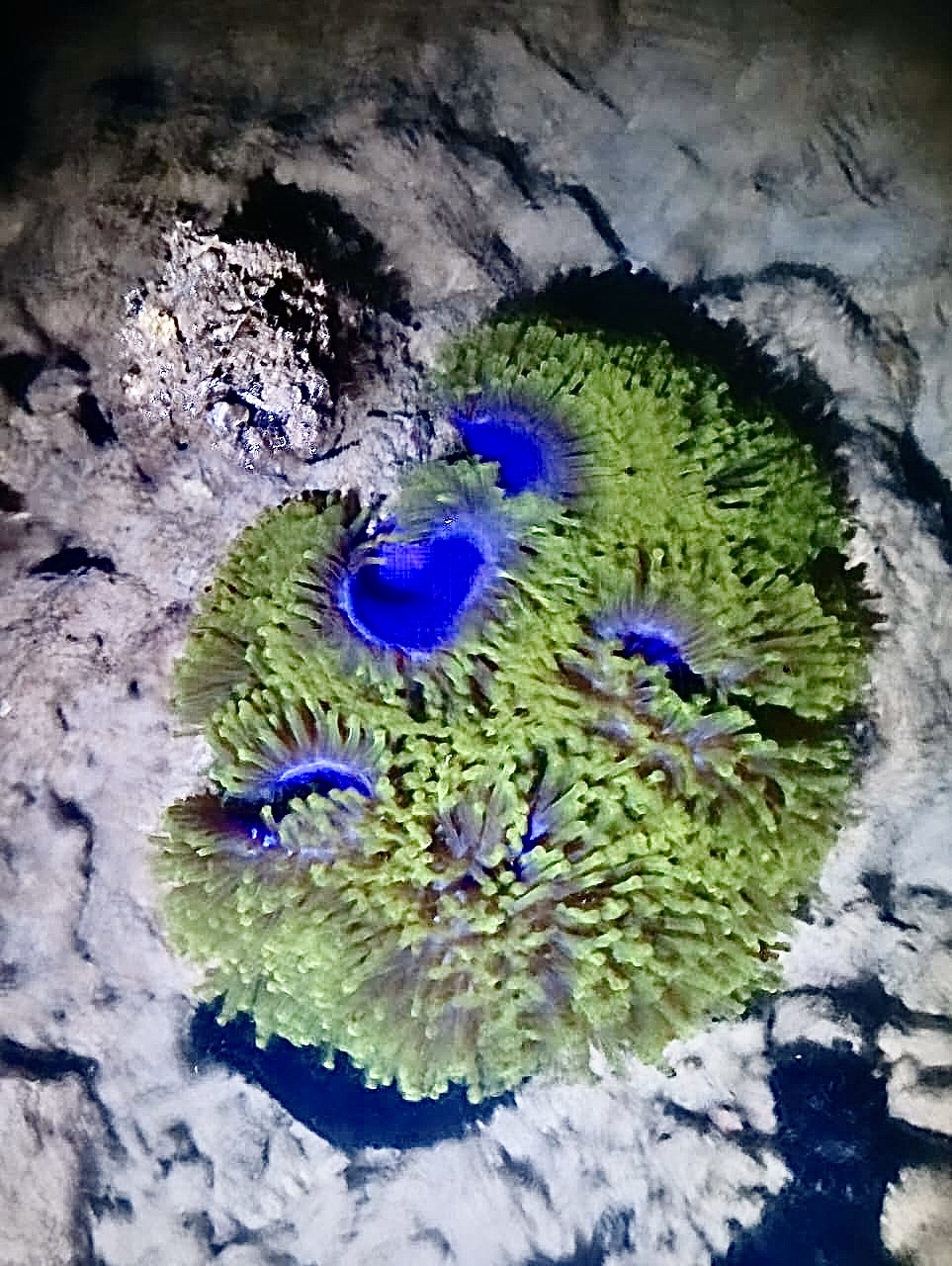
One of the best things about snorkelling is learning to slow down. At first you might notice the big things, large fish, a colourful piece of coral, the bigger bolder Coral verse the more bitty table top corals. A turtle, a ray, bump head fish…..then you start to notice the smaller things, Little fish hiding between rocks (nemos). Small movements in the coral. Different colours and textures. Once you stop rushing, the underwater world becomes much more interesting.
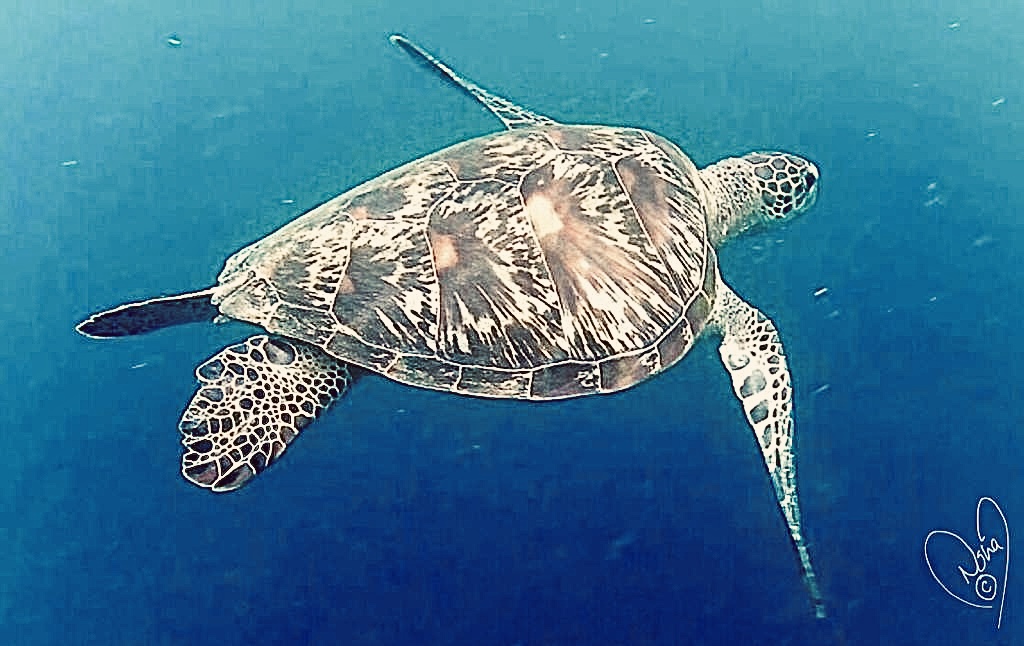
Swimming with sea turtles
Seeing a sea turtle in the water can be one of those moments you remember for years. But a turtle encounter is exactly that — an encounter. It isn’t an invitation to chase, touch or try to get as close as possible. The best thing you can do is slow down and let the turtle decide how close it wants to be. Watch it. Give it space. And if it swims away, let it go. That can actually make the experience more special. You’ve seen a wild animal behaving naturally rather than being made to perform for you.
We’re visitors in their world
When you’re floating above a reef, it’s easy to forget that you’re the visitor. The fish don’t know you’re on holiday. The coral doesn’t know you’ve travelled thousands of miles to see it. This is their home. That doesn’t mean we shouldn’t explore it. Quite the opposite. We should explore, appreciate and enjoy it. But the more we understand the underwater world, the easier it becomes to see why protecting it matters.
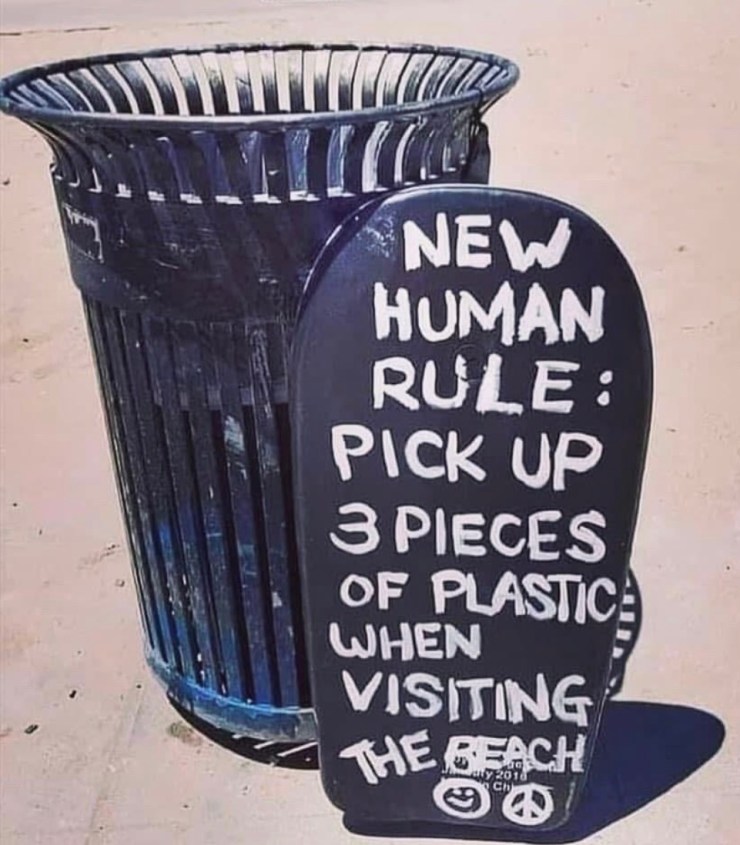
Please help support Longsha Campsite during your stay and remember to help where you can to reduce the amount of rubbish left behind by us humans that ends up in our Oceans and is destroying the underwater world. We are trying to reduce our waste ad encourage all guests to try and reduce there waste and try not to use single use items. The blog below explains how we can do this and why we are trying to do this to help stop waste ending up in the ocean and to help protect the beautiful fragile life under the ocean!
Reduce, Reuse, Recycle
Contact numbers and info on our website.
longshacampingandboatservices.blog
longshacampingandboatservices.com


You must be logged in to post a comment.